
If you run a restaurant in Shelby, Kings Mountain, or anywhere in Cleveland County, you've been told "you need a website." But what's not having one actually cost you?
We pulled the numbers. They're ugly. But they're fixable. For a complete overview of everything a restaurant website should do, check out our Restaurant Website Guide.
- 77% of diners check your website before deciding to eat there.
- 70% are turned away by a bad one - slow, outdated, or hard to read on a phone.
- 46% see no website and assume you're not a real business.
- Third-party delivery takes 15-30% of every order. Your own site keeps that money.
You have about 5 seconds
Your restaurant website has roughly five seconds to convince a diner to choose you. If it loads slowly, the menu is unreadable on a phone, or the hours are outdated, nearly 70% of visitors leave and pick a competitor. Here is what happens in those critical seconds and what each failure costs you in lost revenue.
77% of diners check your site before they walk in
A diner lands on your site. Glances. Judges. If it loads slow, shows outdated hours, or makes them hunt for a menu on their phone, they're gone. They pick the next result. Your food never got a chance.
We broke down what a sluggish site actually costs you in our look at how page speed bleeds restaurant revenue. The short version: every extra second kills conversions.
77% of diners actively check a restaurant website before they commit to walking in.1 That's 3 out of every 4 people judging your business from a phone screen. And they judge fast.
A bad mobile experience sends them to your competitor
70% of consumers say a bad digital presence actively pushes them away.1 If your site looks abandoned, those are the signs your website needs a redesign. A proper website redesign isn't about looks. It's about revenue walking out the door.
Key point: 3 out of 4 potential diners are on your site right now making a yes-or-no decision. If your menu is hard to read on a phone or your hours are wrong, you lost them before the hostess ever got a chance.
"77% of diners look at a restaurant's website before they decide to dine there. For today's consumer, your website is your front door - the very first thing they evaluate."
| Diner Behavior | Statistic | What It Means for Your Revenue |
|---|---|---|
| Check website before visiting | 77% of diners | 3 out of 4 potential customers evaluate you online first |
| Turned away by a bad website | 70% of consumers | Lost tables from slow load times or unreadable mobile menus |
| No website equals no credibility | 46% of consumers | Nearly half assume your restaurant is not a real business |
| No website at all | 15% of businesses | Entirely invisible to the digital diner |
The delivery app tax
Every third-party delivery order costs you 15-30% of the revenue plus the customer relationship. On a $60 order, that is $9 to $18 gone before food and labor costs. Here is the full breakdown of what different ordering channels cost you and what you keep.
The commission math on every order
No online ordering on your own site? You're handing 15 to 30 percent of every digital order to DoorDash, Uber Eats, or Grubhub.
They take their commission. They keep the diner's contact info. They never send that customer back to you. You pay the fee and lose the relationship - both at once.
On a $60 order, that's $9 to $18 gone before you pay for food or labor.4 Your own restaurant website with native ordering keeps that money. And that relationship.
BentoBox's data shows 57% of restaurants now offer native online ordering through their own site. But 9% still have no online ordering at all.5 That 9% loses both the sale and the guest relationship on every single digital order. A restaurant site with built-in ordering solves both problems at once.
The hidden cost: lost customer data
Beyond the immediate commission, third-party apps keep every diner's contact info. You cannot email that customer about your new seasonal special or your live music night. You cannot build a relationship. They belong to the platform, not to you.
$1,500+ per night. That's a conservative estimate of what a small-town restaurant loses in potential revenue from digital invisibility during peak hours - missed reservations, lost direct orders, and tourists who pick a competitor with a better online presence.4
| Ordering Channel | Commission | Customer Data | Long-Term Value |
|---|---|---|---|
| Your own website with native ordering | 0% | You own it | Repeat business, email marketing, direct relationship |
| DoorDash / Uber Eats / Grubhub | 15-30% per order | Platform keeps it | Customer belongs to the app, not your restaurant |
| No online ordering at all | 100% loss on digital orders | N/A | Lost every digital sale and guest relationship |
Key point: Delivery apps don't just take 15-30% of every order. They also own the customer data. You never get to email that customer about your new special or your live music night. They belong to DoorDash now.
Tourists don't know your regulars
Tourists passing through Cleveland County don't know your regulars love the brisket. They don't know you've been here since '92. They open Google Maps and search "food near me."
They pick the restaurant with the clearest, fastest website. Real photos, accurate hours, a menu that works on a phone. If your site fails any one of those tests, they scroll past you. That's the whole decision.
Regional tourism keeps growing in Shelby, Forest City, and Kings Mountain. Travelers doing the Yadkin Valley wine trails, the Surry Sonker Trail, or just passing through on the way to the mountains.6 These people don't know your town. They search "food near me" and pick whatever shows up first with a readable menu and real photos.
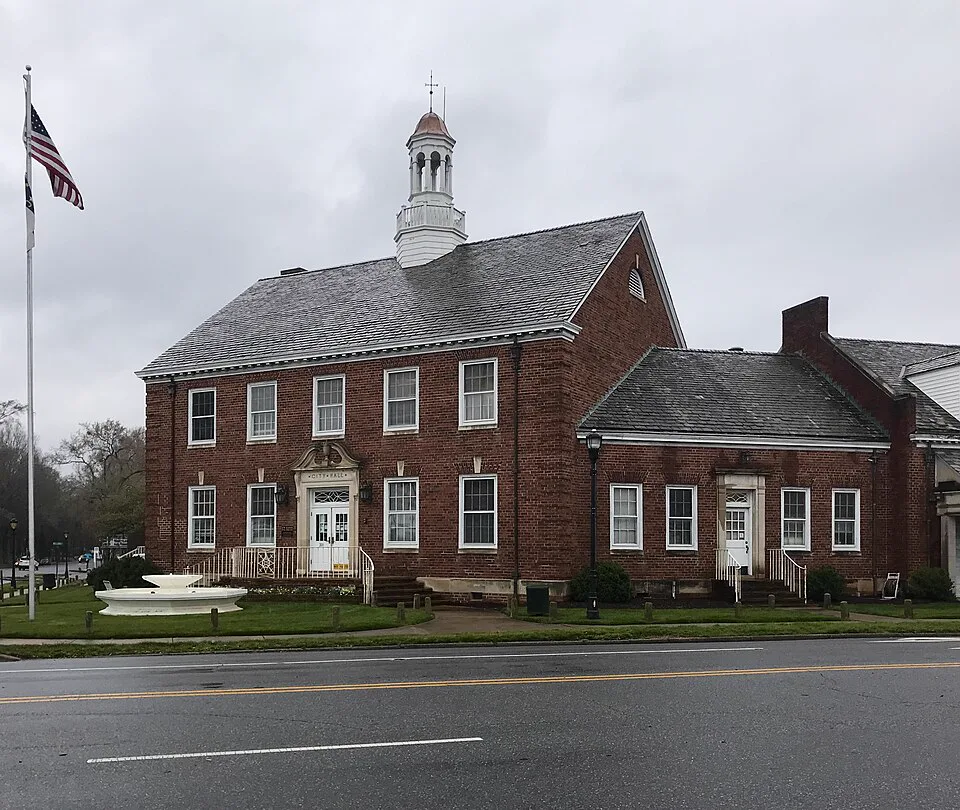

They go to the place with the better digital storefront. Every time.
What your site actually needs
A restaurant website needs four things. Everything else is decoration. Miss any one of them and you're turning away customers before they ever see your dining room.
- A mobile-friendly menu. 59% of diners are willing to use a digital menu. The ones who can't read yours on their phone will leave. We looked at how mobile optimization affects local search rankings if you want the deeper numbers.7
- Direct online ordering. Keep the 15-30% that third-party apps take. Own your customer data. Your restaurant site is the only channel where that happens.
- Current hours and location. Nothing kills trust faster than showing up to a "closed" restaurant that Google says is open. Sync your Google Business Profile to your site and this problem disappears.
- Real photos of your food and space. People eat with their eyes. Stock photography screams "chain restaurant." Real photos of your actual plates - that's what makes someone drive across town.
The credibility gap
46% of consumers see "no website" and assume you're not a real business.2 Not small. Not family-run. Not "we've been here since the 90s." They assume you're not serious.
That judgment lands the instant a search comes up empty. No word-of-mouth reverses it. No Facebook page fills that gap. We looked at exactly how bad that gets in our breakdown of the Facebook-only trap that's bleeding small-town restaurants dry.
Nearly half your potential customers think you don't care. That's the entire calculation. For any small business, it's a credibility gap no social media profile can close.
Key point: 46% of consumers equate "no website" with "not a real business." That's not a marketing problem. That's an existence problem. If you're not online, you don't exist to nearly half the people who might walk through your door.
Frequently asked questions
How much does a restaurant website cost?
A professional restaurant website typically costs between $2,500 and $7,500 for a custom build with mobile-friendly menus, online ordering, and reservation integration. Template-based sites cost less but lack revenue-generating features. Most custom restaurant websites pay for themselves within 3 to 6 months through recovered delivery-app commissions and increased online orders.
Do I really need a website if my restaurant has a Facebook page?
Yes. Facebook organic reach for business pages has collapsed to 1-6%, meaning 94-99% of your followers never see your posts. A website is an asset you own that works as a permanent storefront. Facebook is a discovery channel - your website is where customers convert and where you capture their data for repeat marketing.
How much do delivery apps like DoorDash charge restaurants?
DoorDash, Uber Eats, and Grubhub charge restaurants 15-30% commission per order. On a $60 order, that is $9 to $18 lost before food and labor costs. A restaurant website with native online ordering keeps the full margin and the customer relationship - no third-party commission and no lost customer data.
What makes a restaurant website bad?
A bad restaurant website loads slowly, displays a menu that is unreadable on a phone, shows outdated hours or no hours at all, and uses stock photography instead of real food photos. These issues actively turn away 70% of potential diners. A good restaurant website is fast, mobile-friendly, and shows real photos of your food and space.
How quickly do diners judge a restaurant website?
Diners form an opinion about your restaurant within 5 seconds of landing on your website. If the page does not load instantly or the menu is hard to read on their phone, they leave and choose a competitor. First impressions happen within seconds, and 70% of consumers say a bad digital presence actively pushes them away.
Want a restaurant website that fills tables?
We build custom restaurant websites with mobile-first menus, direct online ordering, reservation integration, and real photography. No templates. No lock-in. Built in about 14 days.
Sources: 1. Popmenu consumer behavior study, 2025. 2. Sequent Creative, "Do You Still Need a Website in 2025?" 3. ResearchGate, "Social Media Marketing in Emerging Economies." 4. HSMAI Academy, "Mastering Restaurant Reservations." 5. BentoBox / Brizo FoodMetrics, "Restaurant Website Design Trends." 6. Yadkin Valley NC tourism data. 7. ChowNow, "QR Code Ordering for Restaurants."